Basement Waterproofing
We address the root cause of water intrusion rather than masking symptoms, using interior drainage, exterior membranes, or crack injection based on what the job actually needs.
Learn more →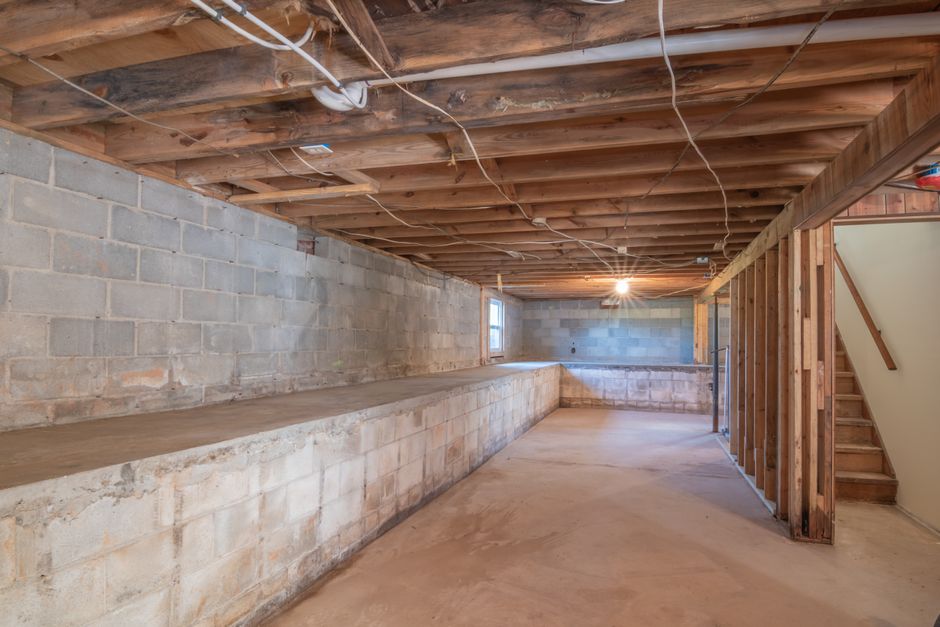
Serving Fort Lee & Bergen County, NJ
We diagnose the actual cause of water intrusion and fix it at the source. No surface-level patches. No temporary solutions. Work that addresses the pressure driving water toward your foundation.
Tell us about the problem and we will get back to you to schedule a time. No obligation to proceed — the assessment is simply a diagnosis.
Prefer to call? (201) 885-6577
Basement waterproofing in Fort Lee means controlling where water goes before it reaches your interior. That involves one or more of three strategies: directing water away from the foundation before pressure builds, intercepting water that has already entered the wall and guiding it to a drain, or sealing the specific crack or joint where water is entering.
Which approach is right depends entirely on where the water originates. A contractor who installs interior drainage without diagnosing whether the problem is surface water, groundwater, or a crack leaves the root cause unresolved. The drainage system works, but the structural problem continues.
Our process starts with an assessment — checking the floor-wall joint, inspecting staining patterns, and evaluating exterior grading — before any recommendation is made. If water enters through a crack, foundation crack injection is the fix. If it enters through the floor-wall joint under hydrostatic pressure, a properly installed sump pump is typically the right approach.
View All Services
Fort Lee, NJ 07024
Serving all of Bergen County
Fort Lee sits on glacial till and clay-rich soil deposited during the last ice age. Clay expands when wet and creates lateral pressure against foundation walls — pressure that builds faster after heavy rain and peaks during the spring thaw when ground moisture is at its highest. Most homes in Bergen County have foundations built before modern waterproofing standards, and unreinforced block construction absorbs water rather than deflecting it.
The floor-wall joint is the most common entry point homeowners miss. The concrete slab and the foundation wall are poured at different times, creating a cold joint that is never perfectly bonded. As the footing and wall settle independently over decades, a gap forms at that joint. Groundwater enters through this gap during wet periods — often appearing as a thin line of water along the wall base. A properly sized sump pump manages this water reliably.
Freeze-thaw cycles widen existing cracks each winter. A hairline crack in October becomes a visible gap by March. Many homeowners patch with hydraulic cement and consider it resolved — that stops visible seepage short-term but does nothing about the hydrostatic pressure driving the water. The patch fails within one to two seasons. Visible cracks require proper injection repair to hold.
If any of these are present, the underlying cause is worth diagnosing before the problem progresses. Water damage that reaches framing, insulation, or electrical systems multiplies the repair cost significantly. A free assessment takes about an hour and gives you a clear picture of what is happening and what it would take to fix it.
Each service addresses a specific type of water problem. We recommend only what the diagnosis supports.
We address the root cause of water intrusion rather than masking symptoms, using interior drainage, exterior membranes, or crack injection based on what the job actually needs.
Learn more →Not every foundation crack is the same. We identify whether a crack is structural, water-bearing, or cosmetic, then use the appropriate repair method — polyurethane injection, epoxy injection, or carbon fiber straps.
Learn more →A sump pump is the final line of defense against basement flooding. We size, install, and test primary and battery backup systems so the pump handles your actual water load.
Learn more →High basement humidity feeds mold, weakens floor framing, and pulls damp air into the living space above. A correctly sized dehumidifier maintains safe humidity year-round.
Learn more →
No recommendations before we understand the source. No scope added that the assessment does not justify.
We inspect the basement, foundation walls, floor-wall joint, and exterior grading to identify every water entry point and its source.
We determine whether the source is surface water, groundwater, a structural crack, or a combination — and explain what we found in plain terms.
Work is completed by our own crew using the method that the diagnosis calls for. We do not subcontract the installation.
We walk you through the completed work, explain how the system functions, and provide written documentation of the warranty.
If your basement had one damp spot after an unusually severe storm and it has not recurred, start with the simple things: clear the gutters, extend the downspouts at least 6 feet from the foundation, and regrade any soil that has settled against the wall. Those fixes cost nothing or very little, and if they work, you did not need waterproofing.
We are also not the right contractor if you are collecting bids to find the lowest number without comparing scope. Waterproofing that does not address the actual entry point will fail within a few years regardless of price or installer. We will not reduce scope to win a price comparison.
If you are unsure whether the problem warrants professional attention, the free assessment will answer that clearly. If it does not require waterproofing, we will say so directly and explain what to try first.
We serve Fort Lee and the surrounding Bergen County communities. Most jobs are completed within a 15-mile radius of Fort Lee. If you are outside the list below, call and we can confirm whether we cover your area. Homeowners in Essex County can find basement waterproofing through our team in Bloomfield.
Assessments are free, take about an hour, and give you a clear diagnosis and recommendation — no obligation to proceed.
Call (201) 885-6577We come to you, inspect the basement, and give you a straight answer about what is causing the problem and what it will take to fix it. No sales pressure. No obligation.
Serving Fort Lee, Englewood, Teaneck, Cliffside Park, and surrounding Bergen County communities.